
GAMES BY CATEGORY
Gross Motor Games
Big-body play that builds balance, coordination, and confidence. Explore gross motor game reviews and activity ideas you can use at home, in the classroom, or in OT sessions.
WHAT YOU’LL FIND HERE
How I review gross motor games
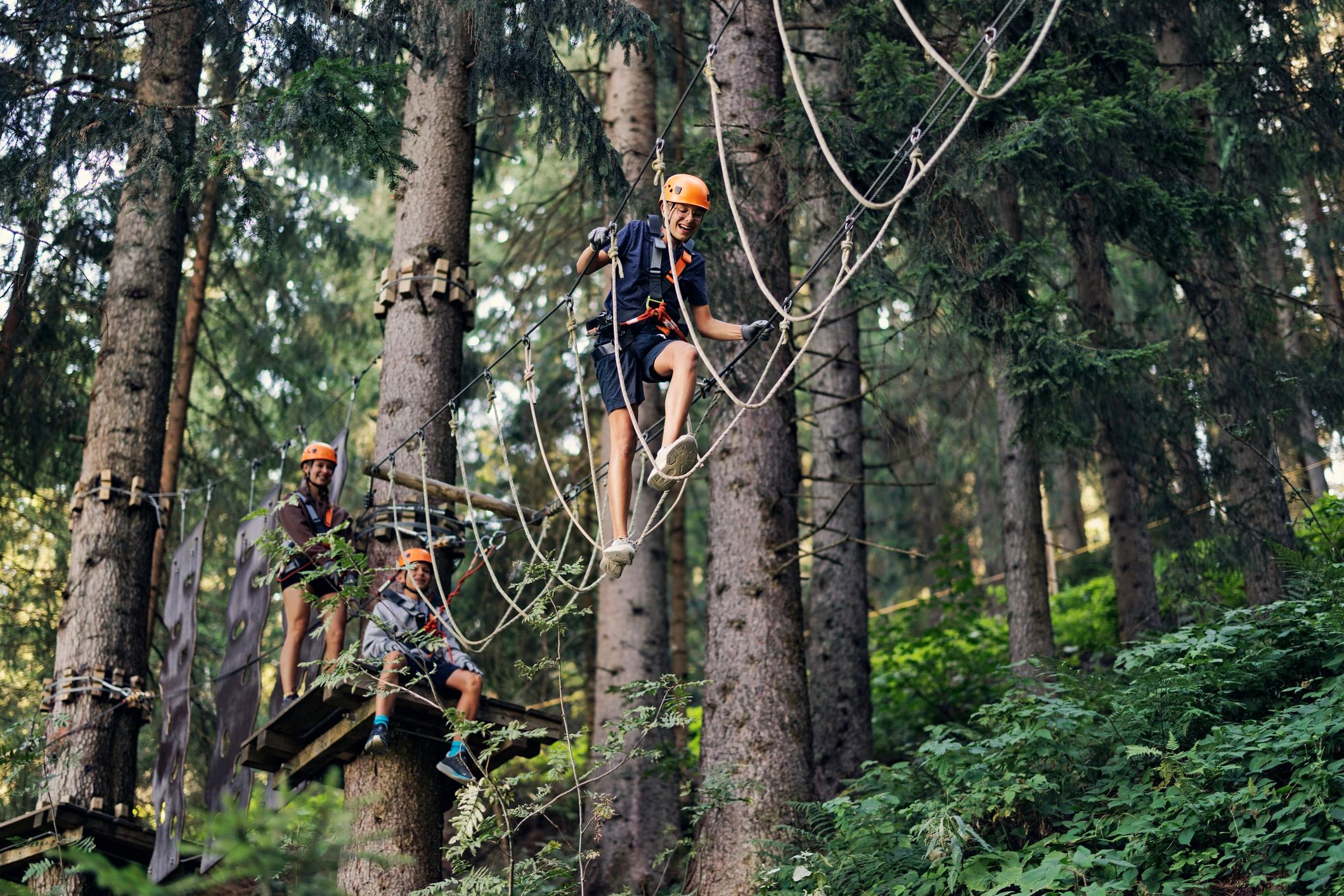
Gross motor games are a fun way to practice whole-body skills like jumping, running, climbing, and coordinated movement. On The Playful Otter, reviews focus on how a game plays, what skills it supports, and how to adapt it for different ages and needs.
Look for quick notes on set-up, space needs, and ways to grade the challenge up or down—so you can choose activities that fit your kiddo, group, or therapy goals.

SKILLS SPOTLIGHT
Gross motor skills you’ll see in these games
Use these focus areas to match a game to the skills you’re targeting. Many activities support more than one area at a time.


QUICK START
How to choose the right gross motor game
A simple way to pick activities that fit your space, your learners, and your goals—without overthinking it.
1) Start with the space
Indoor, outdoor, or gym? Check how much room you have, the surface (carpet/grass), and what needs to be moved out of the way.
2) Match the challenge level
Choose a game that’s “just right.” You can grade down with fewer steps, slower pace, or more support—or grade up with added rules, distance, or timing.
3) Decide what skill you’re targeting
Balance, coordination, strength, endurance, bilateral coordination, or body awareness—pick one main goal and let the game do the teaching.
4) Plan for success
Set clear boundaries, model the movement, and build in breaks. For groups, use stations or partner roles to keep everyone engaged.